


Nursing and mechanic programs yield healthy returns, whereas liberal arts programs do not.

A high-quality K-12 educational system is a critical component of ensuring every student has the opportunity to thrive in adulthood. It needs to impart basic skills and knowledge, like reading, writing, and math, and empower students to secure a good job upon graduating. That’s why graduating high school is the first step of the rightly-celebrated “success sequence.”
Unfortunately, our current K-12 public education system is failing too many students and parents. Despite spending an average of more than $16,00 per student annually, many students are behind in reading, writing, and math proficiencies. The students suffering the most are those most in need: children from low-income households.
Government subsidized college and university has enabled public universities to explode their price tags, while softening their grading standards, leaving students with mountains of debt and unprepared for the workforce.
America needs a career-first education system that helps all children reach their potential in adulthood, including by preparing children for the workforce or succeeding in postsecondary education. At the same time, it should set aside its broken degree-first model.
The United States should give parents the power to choose high-quality learning environments for their children. Post-secondary education should focus on ensuring students get skills valued by employers. Colleges should focus on degrees that will prepare students for in-demand careers and help them build a better future. Families also need to understand the return on investment to assess the potential value of going to college.

Nursing and mechanic programs yield healthy returns, whereas liberal arts programs do not.

Research evidence shows that effective tutoring improves students’ academic achievement
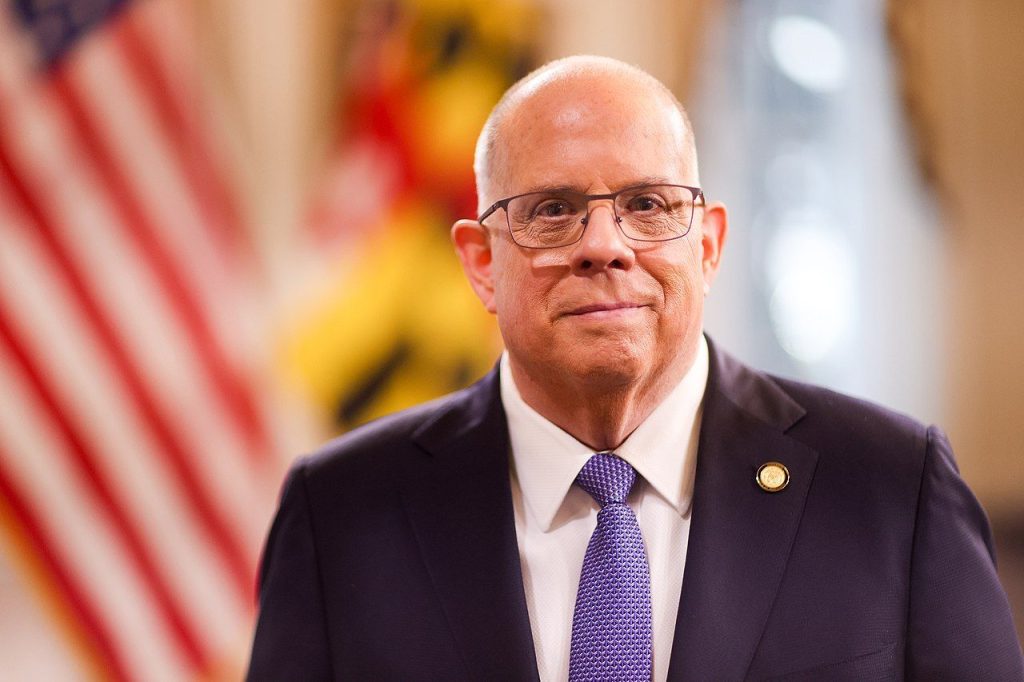
Governor Larry Hogan announced that he would eliminate the four-year degree requirement for thousands of jobs in the state government

The dearth of housing supply pushes up rents, making it far more difficult for students to afford to attend college

Stripping degree requirements from job postings will open up a large swath of occupations to a much greater share of the population

We compared what graduate degrees earn vs. what workers would have earned had they not gone to grad school.

Look up the financial value of tens of thousands of graduate degrees.

The net financial value of most graduate degrees is modest to negative.