


Unspent funds could provide grants worth $5,000 to low-income students.

A high-quality K-12 educational system is a critical component of ensuring every student has the opportunity to thrive in adulthood. It needs to impart basic skills and knowledge, like reading, writing, and math, and empower students to secure a good job upon graduating. That’s why graduating high school is the first step of the rightly-celebrated “success sequence.”
Unfortunately, our current K-12 public education system is failing too many students and parents. Despite spending an average of more than $16,00 per student annually, many students are behind in reading, writing, and math proficiencies. The students suffering the most are those most in need: children from low-income households.
Government subsidized college and university has enabled public universities to explode their price tags, while softening their grading standards, leaving students with mountains of debt and unprepared for the workforce.
America needs a career-first education system that helps all children reach their potential in adulthood, including by preparing children for the workforce or succeeding in postsecondary education. At the same time, it should set aside its broken degree-first model.
The United States should give parents the power to choose high-quality learning environments for their children. Post-secondary education should focus on ensuring students get skills valued by employers. Colleges should focus on degrees that will prepare students for in-demand careers and help them build a better future. Families also need to understand the return on investment to assess the potential value of going to college.

Unspent funds could provide grants worth $5,000 to low-income students.

Despite some reports, the headlines have been misleading

Teachers’ unions thwarted in-person schooling despite compelling evidence of its safety.

Forgiving student loans or doubling Pell Grants will not solve these problems. Less costly policies will do the trick
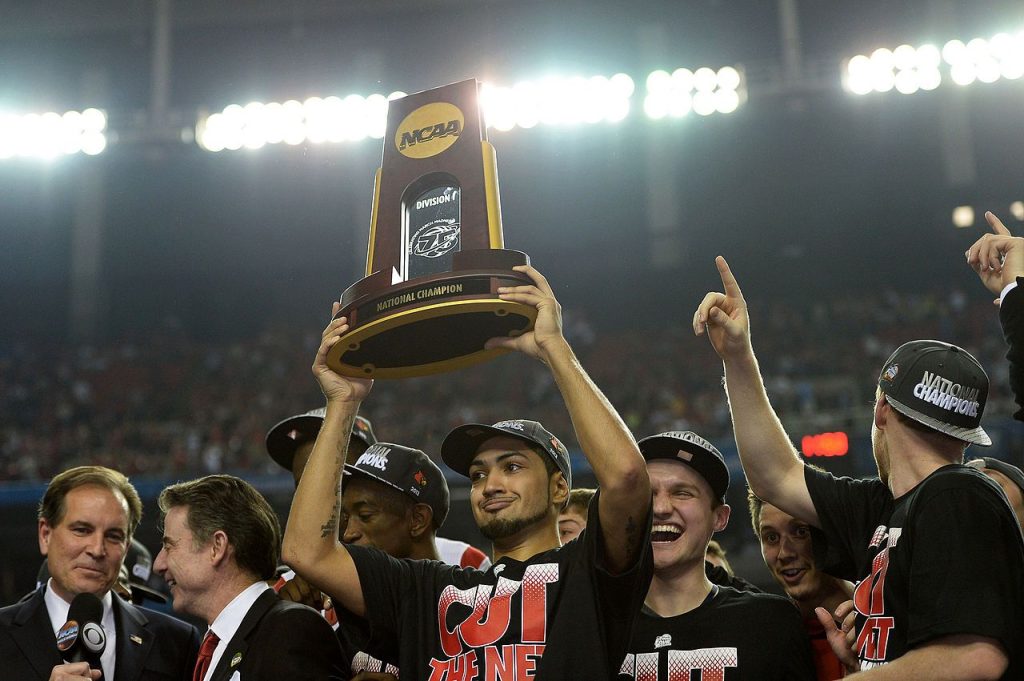
The decision bars the NCAA from limiting student athletes' tuition waivers or paid internships, but leaves in place restrictions on cash salaries

The rising cost of college has not been borne by students, but by taxpayers—through rising subsidies.

The real problem in our higher education system is quality

Federal and state policymakers should increase access to 529 savings accounts for low-income children