


Recommendations for the next administration and the 119th Congress

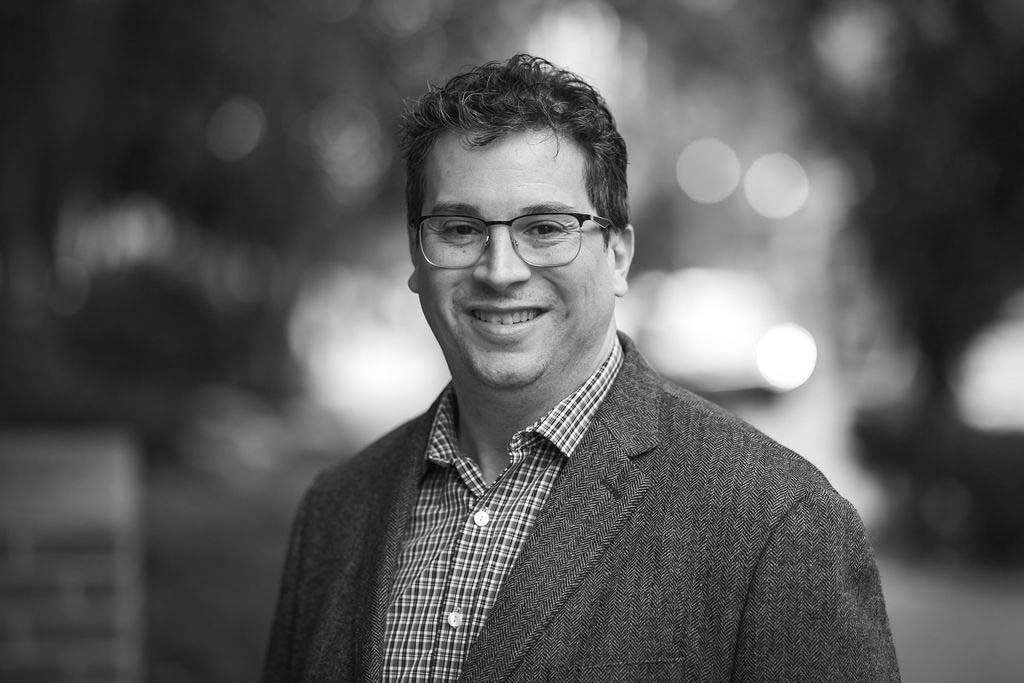
“My grandparents were born in Mississippi in the late 19th century and were part of the Great Migration that came north during Jim Crow,” Jonathan once recounted for Vox. “But although Fort Wayne [Indiana] was well north of the Mason-Dixon Line, segregation was a fact of life, if not a fact in law, in many Northern cities. Black people were only permitted to live in a small area in Fort Wayne, and that’s where my family went. During the early part of the 20th century, the KKK were a social and political force in Indiana. They would march in town and through the black neighborhood where my father’s family lived. Growing up, I was told about my grandfather standing at the door of the house with his gun drawn, calling the kids home while the Klan marched up the street.”
Jonathan came to appreciate many facets of America’s criminal justice system. His father was a retired 20-year police veteran, who instilled in Jonathan an abiding respect for law enforcement officers. But Jonathan’s upbringing and neighborhood experiences—including family and friends who were harassed by law enforcement and others who were in the the criminal system—also made him wary of arbitrary authority and abuse.
Jonathan eventually left Fort Wayne to attend Indiana University-Bloomington, where he majored in political science. In 2007, Jonathan joined the Cato Institute, where for 12 years he worked as a researcher in Cato’s Center for Constitutional Studies and its Project on Criminal Justice. He has published numerous columns in venues like the Washington Post, The New Republic, the Chicago Tribune, Democracy Journal, and many others.
“When it comes to ‘justice’ in the abstract,” Jonathan says, “it’s very easy to fall into a ‘good guys vs. bad guys’ mentality. But most people who commit crimes aren’t irredeemable villains, and not every cop is an unimpeachable hero. Our current system relies on these oversimplifications, and so it is imperative that we reorient ourselves and our system to deal with life as it is, not as we imagine it to be.”
Jonathan joined FREOPP in 2020. Soon after, the killing of George Floyd by a Minneapolis policeman thrust Jonathan’s work into the spotlight. In an essay for Democracy, Jonathan writes:
As the continuing protests and demonstrations remind us, police departments have been resisting serious reform for too long. Some departments have made positive changes…But almost all departments have nevertheless maintained the policies that inflict harm on communities — and specifically black communities — while protecting the officers who commit the most egregious acts against the public…There are steps police departments and local governments can take to reorient their actions toward the betterment of the communities they serve. But those steps don’t involve tear gas, riot gear, or rubber bullets.
Today, Jonathan is a Senior Fellow at FREOPP, where he continues his work on policing reform and criminal justice. “I’m excited to explore how criminal justice policy affects the least fortunate in American society and to move public policy forward to those who need it most.”
Jonathan lives in Washington with his wife, Dara Lind.
Recommendations for the next administration and the 119th Congress
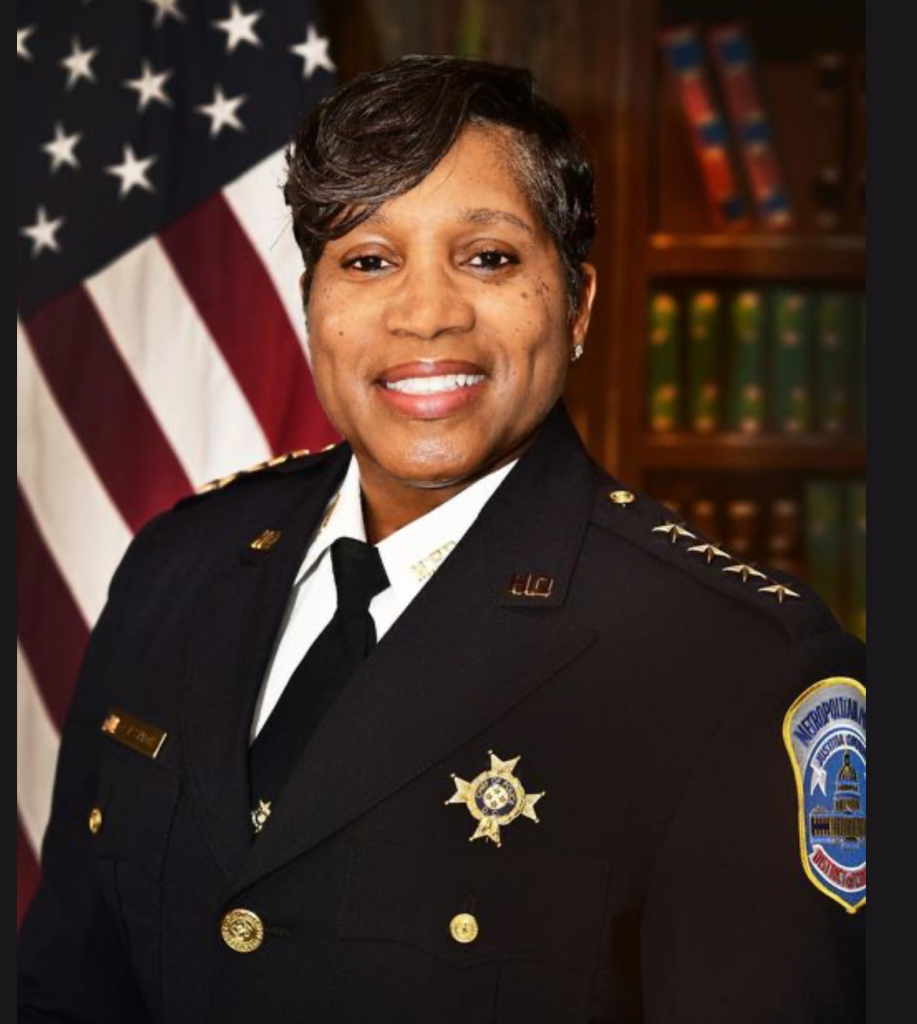
After one year on the job, D.C.’s police chief can claim credit for a significant crime decline

Sabine speaks with Jonathan Blanks about why and how systemic racism exists in society, and what can potentially be done to curb it in various aspects of institutional life.

Crime is down across the United States, with a likely record drop in homicides, yet crime in the nation’s capital is trending in the wrong direction

Without proper guidance, officers are in a catch-22, pitting public safety against criminal accountability

Whether or not cities offer “accountability pay” with their body cameras, it is important they implement sound, transparent policies to govern their use

Overall crime trends are more ambiguous—including a shocking rise in auto thefts—but there is good reason to be optimistic

On this episode of Future of Freedom, host Scot Bertram is joined by two guests with opposing viewpoints regarding the proper response to the rise in violent crime in some areas across the United States.