


Rising prices are a signal that significant investment in energy infrastructure is essential
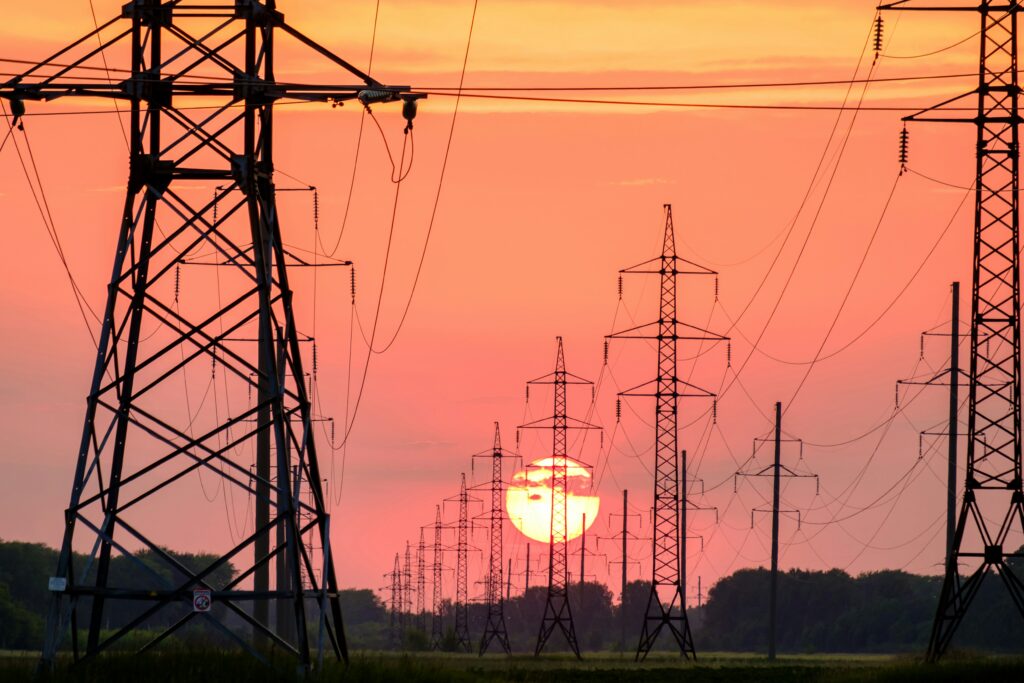
If you’ve casually followed America’s debate about energy and the climate, you might have the impression that the only way to save the planet is to use less energy. Alternatively, you might think that all we have to do is replace our use of fossil fuels with wind and solar power.
It turns out that neither is true. Wind and solar can’t generate enough energy to meet America’s needs, in part because they only work when the wind blows and the sun shines. As a result, relying on wind and solar makes energy more expensive and less reliable. The decreasing affordability of energy is a big reason why California has the highest poverty rate in the U.S.
The good news is there’s a 75-year-old technology we already have that can generate abundant power with almost no carbon emissions: nuclear fission. It’s a win-win. That’s where Grant Dever, FREOPP Research Fellow, enters the picture.
Grant grew up in a rural suburb of Rochester, New York, with a population of 3,000. “I had what they now call a ‘free-range childhood,” he says. “Growing up, I used to think that the world was elsewhere. I asked my parents, ‘Why do we live here?’ But now, I’m thankful. My type of town increasingly doesn’t exist.”
Grant stayed in Rochester for college, attending the University of Rochester and eventually becoming student body president. “The State of New York didn’t allow Uber to operate in Rochester, even though it was available in other parts of the state. We petitioned to bring Uber to Rochester, and it finally happened after I graduated,” he recalls.
Grant’s time at U of R heavily influenced his interest in writing about public policy. After finishing his bachelor’s degree, Grant won a scholarship for a fifth-year program in which he could design his own curriculum. “Kind of like, ‘here are the things I wanted to study but didn’t have time to study in my major,’ he says. “I’ve always obsessed over big policy questions and I’ve always loved reading.”
In 2021, Grant moved from Rochester to Austin. “I looked at Miami, Austin, and DC,” he says. “Austin just felt so refreshing.” Soon after, he met FREOPP president Avik Roy. “FREOPP is the kind of place that aligns with my values,” says Grant. “I love that FREOPP is focused on those on the bottom half of the economic ladder. We need to enable people to become entrepreneurs in their communities.”

Rising prices are a signal that significant investment in energy infrastructure is essential
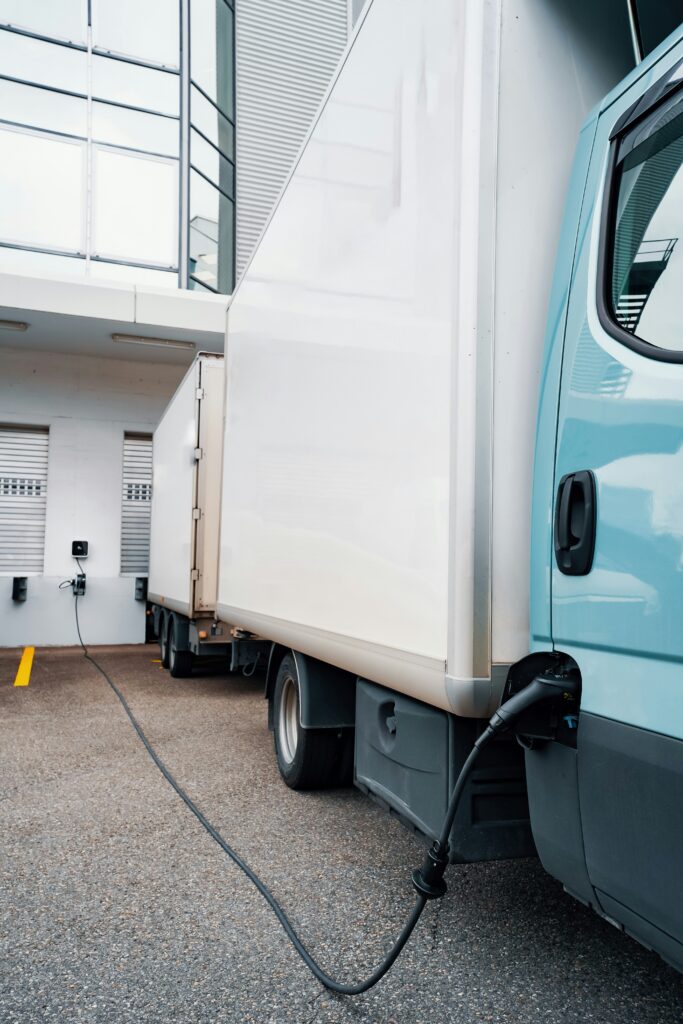
The act advances reforms that will help meet the rising American demand for energy.
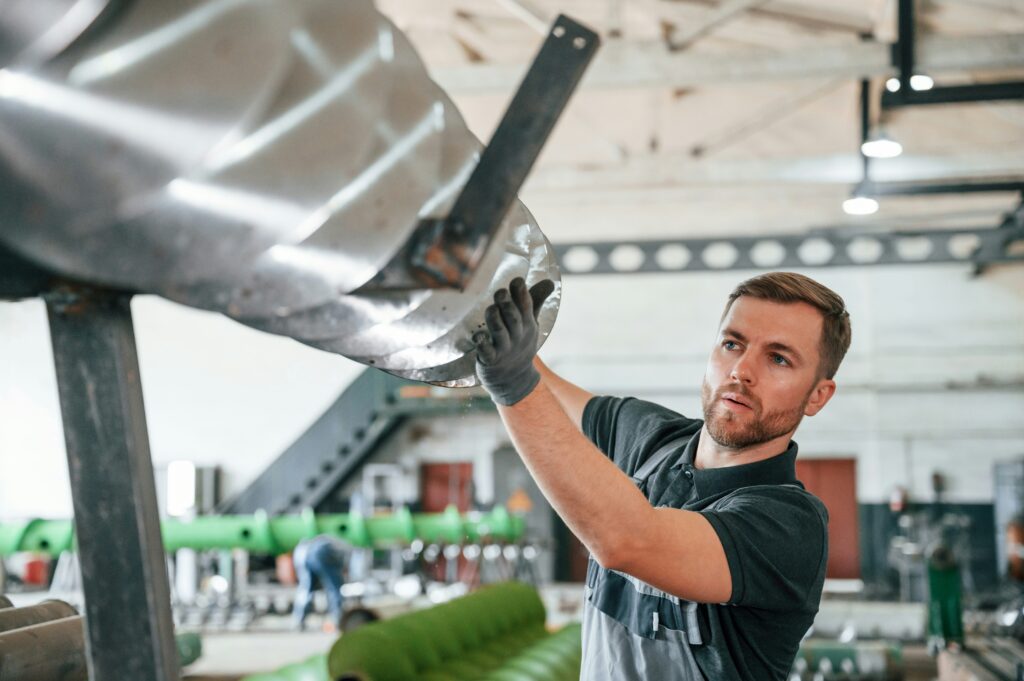
European regulatory requirements will raise costs for consumer goods and have the potential to result in significant American job losses.
Grant sits down with CEI's Richard Morrison to talk about energy, abundance, permitting, affordability, and the SPEED Act.
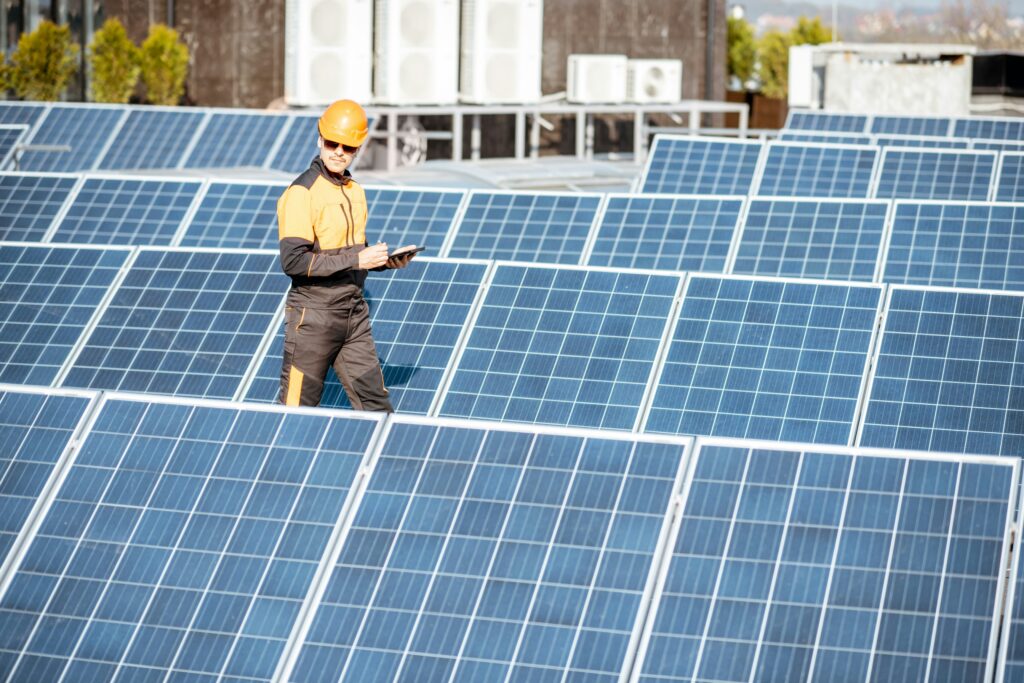
The Senate has the opportunity to craft bipartisan support for power plants, transmission lines, and other projects that can help meet rising energy demand.

The current moment presents an opportunity to invest in new reactors to create economic opportunities and take a big step toward decarbonization

The United States should pursue policies that lower the price of electricity and encourage investment in critical energy infrastructure.

Recommendations for the next administration and the 119th Congress