



Executive Summary
Child protection begins with a simple but difficult responsibility: recognizing when a child may be in danger. That sounds obvious, but in practice, it is surprisingly complicated. Every day, hotline workers, investigators, supervisors, courts, medical professionals, and service providers make high-stakes decisions with incomplete information. In many cases, the warning signs existed long before a tragedy occurred. The problem is not always that nobody saw them, it is that nobody saw the full picture.
Child protection systems collect enormous amounts of information, but much of it remains fragmented across disconnected systems, buried in old referrals, or trapped inside technology built more for compliance than decisionmaking. Frontline staff are often asked to make life-altering judgments quickly while relying on partial records, in limited timeframes, while burdened with an overwhelming number of cases.
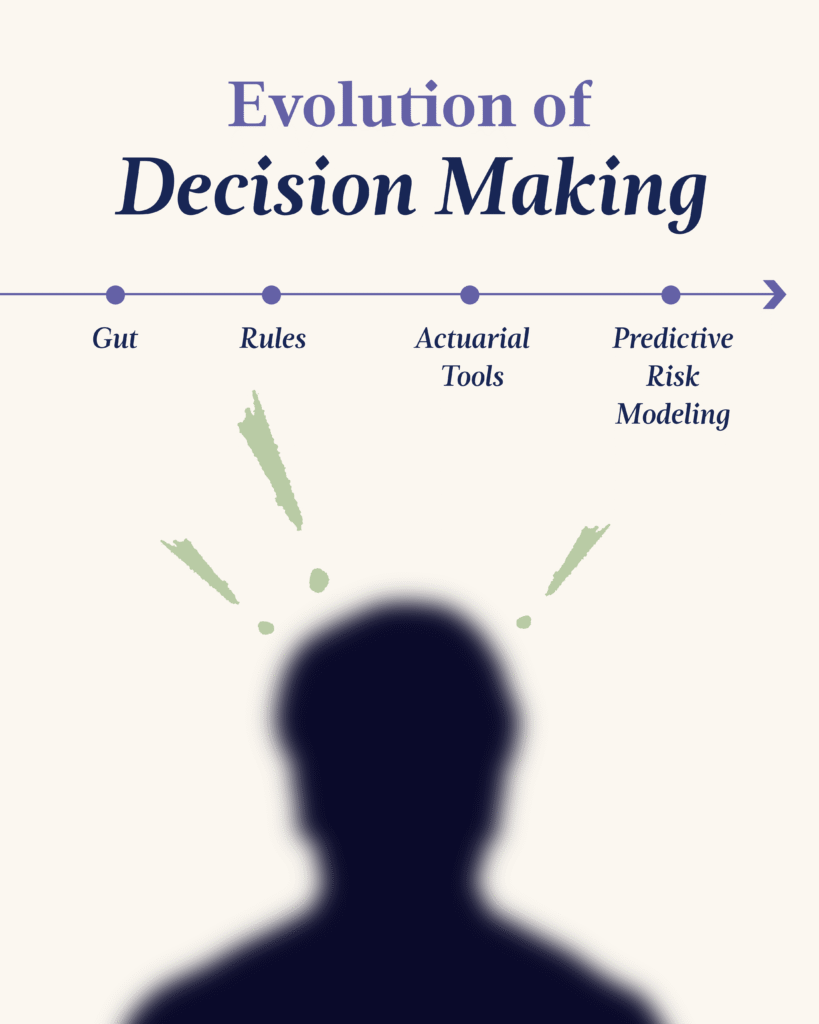
Predictive analytics offers an opportunity to strengthen child protection by helping agencies better recognize patterns of escalating concern, prioritize higher-risk cases, improve consistency in screening decisions, and support earlier intervention when children may be unsafe. Predictive analytics does not replace professional judgment. It strengthens it.
The case for predictive analytics is no longer purely theoretical. Early results from jurisdictions deploying predictive risk modeling suggest these tools can meaningfully improve child safety outcomes. In Allegheny County, Pennsylvania, implementation has been associated with a 23 percent reduction in child near fatalities and fatalities and approximately a 20 percent reduction in re-referrals to the child abuse hotline.
This paper outlines the growing national movement toward predictive risk modeling in child protection, examines the Administration for Children and Families’ recent guidance on predictive analytics, reviews emerging evidence from jurisdictions currently deploying these tools, and proposes a framework for implementation grounded in child safety, transparency, accountability, and person-centered decisionmaking.
Adopting predictive analytics is not about replacing people with algorithms, it is about empowering the people responsible for protecting children with the information they need to make critical decisions. Fundamentally, a system cannot protect what it cannot see.
I. The Problem: Child Protection Systems Are Often Forced to Operate Without Clear Visibility
Child protection systems operate in one of the highest-stakes decisionmaking environments in government. Hotline workers and investigators are routinely asked to make rapid judgments about child safety with limited time, incomplete information, and overwhelming caseloads.
Today, many child protection agencies still rely on manual reviews of prior reports, static checklists, fragmented databases, inconsistent documentation practices, localized institutional knowledge, and human memory to identify risk. These approaches depend heavily on an individual worker’s ability to locate, interpret, and connect information that may be spread across multiple records and systems. When critical information is difficult to see, patterns can be missed and decisions can vary from one worker, supervisor, or office to another.
At the same time, agencies frequently possess years of historical data that could help identify patterns associated with heightened safety concerns. These data points may include:
- Prior screened-out reports
- Emergency room visits
- Prior foster care involvement
- Substance exposure at birth
- Domestic violence incidents
- Prior criminal justice involvement
- Patterns of escalating referrals
- Prior fatalities or near fatalities within families
- Repeated allegations involving the same caregivers
- Cross-system indicators from behavioral health, Medicaid, education, social services, and law enforcement.
Without modern decision support tools, patterns can remain invisible until a situation escalates into serious harm, a near fatality, or worse. Anyone who has spent time inside these systems knows the feeling after a critical incident review. The question almost always comes next: Did the system have prior contact?
Far too often, the answer is yes. There were prior referrals, allegations, law enforcement calls, emergency room visits, screened out reports—an allegation of suspected abuse or neglect that does not meet the criteria for a formal child protection investigation—and warning signs that, standing alone, may not have appeared severe enough to trigger intervention. Viewed together, they may have painted a very different picture.
The Administration for Children and Families (ACF) recently acknowledged this challenge in its 2026 issue brief, Modernizing Child Welfare Technologies and Tools: Opportunities for Predictive Risk Modeling to Improve Child Safety and Outcomes. The challenge is not lack of data; rather, it is the inability to operationalize that data quickly and consistently enough to support better decisions when children may be at risk.
II. What Predictive Analytics Is and What It Is Not
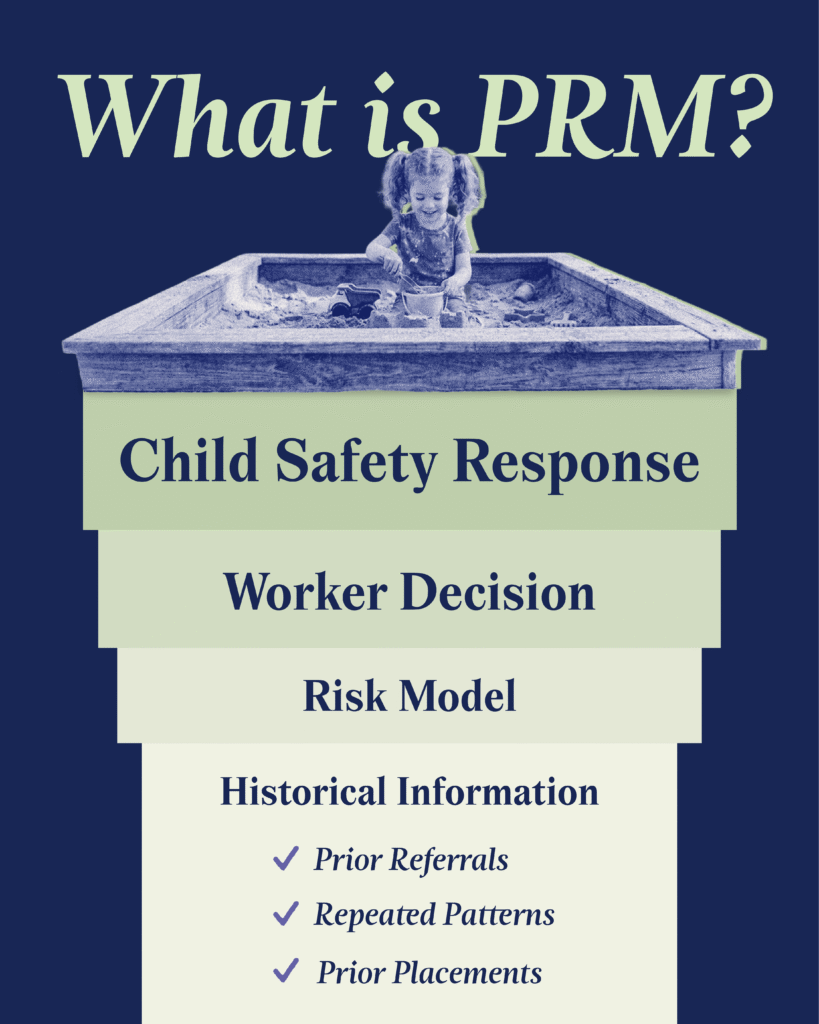
Predictive risk modeling uses historical administrative and cross-system data to identify patterns associated with increased likelihood of future harm or system involvement. While some models incorporate information from education, health, or other public systems, others are trained using child protection data alone. Many predictive tools also incorporate contemporaneous information available at the time of the report, including details provided by the reporting party and information gathered during the initial stages of an investigation. These tools generate risk scores, alerts, or structured decision-support indicators that can help agencies:
- Identify children and families with repeated or escalating concerns
- Prioritize reports based on predicted safety and risk trajectories
- Support real-time quality assurance and supervisory review
- Allocate investigative resources more effectively
- Improve consistency in hotline screening decisions; and
- Identify families who may benefit from prevention services
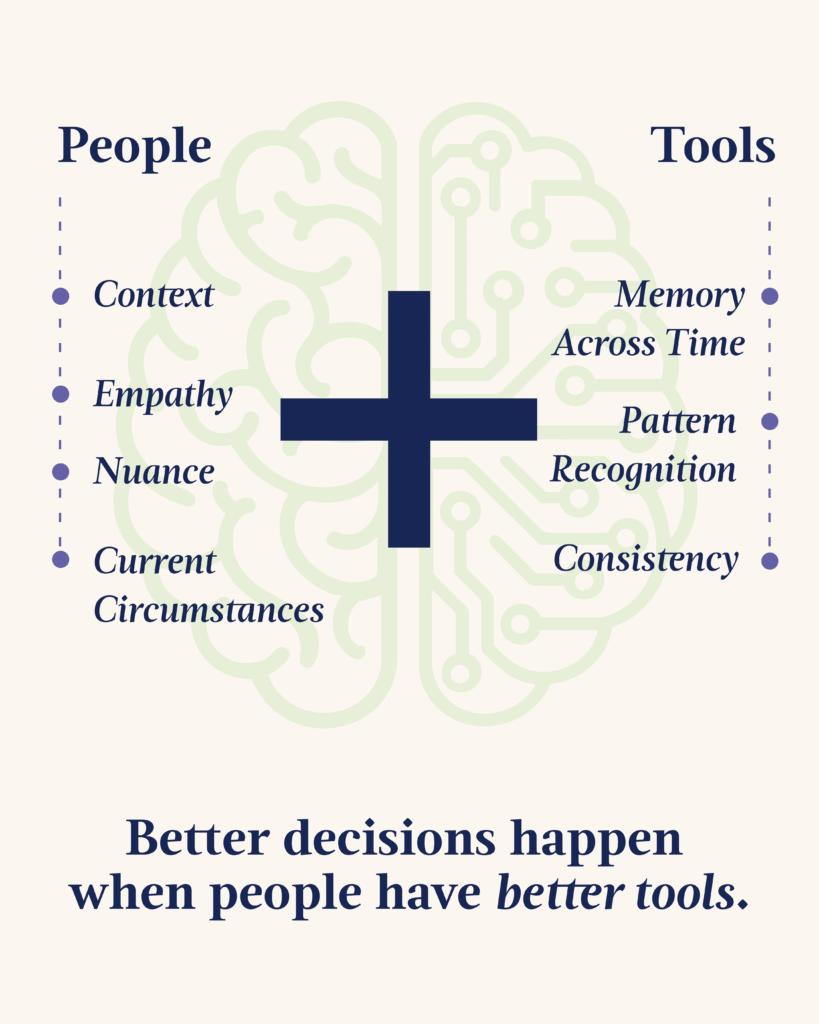
It cannot be stressed enough that predictive analytics is not a replacement for human judgment. The jurisdictions leading in predictive risk modeling consistently emphasize that these tools are intended to support, not direct frontline decisionmaking. The final decisions remain with trained professionals, as they should.
The question is not whether algorithms should replace social workers. They should not. The core question is whether frontline workers should continue making life-and-death decisions without access to the full range of available information and modern analytical tools.
III. The Federal Shift Toward Modernizing Child Protection
In March 2026, ACF released a landmark issue brief titled Modernizing Child Welfare Technologies and Tools: Opportunities for Predictive Risk Modeling to Improve Child Safety and Outcomes. The publication represents an important shift in how federal leadership is thinking about child protection technology.
For years, child protection agencies have invested heavily in data systems that function primarily as repositories for documentation and compliance reporting. Many frontline workers would not describe these systems as tools that actively help them make better decisions in real time. The ACF brief acknowledges that reality directly. It recognizes that child protection systems cannot continue operating “digital filing cabinets” that collect massive amounts of information without translating that information into meaningful operational insight.
That framing is important because it reflects a growing recognition that modernization is not simply about technology upgrades. It is about improving a system’s ability to recognize danger earlier, respond more effectively, and support better decisionmaking at the moments that matter most.
The issue brief highlights several important themes:
1. Current Child Protection Technology Is Often Outdated
ACF acknowledges that many current systems were designed primarily for documentation and compliance purposes rather than operational decisionmaking. Existing systems frequently fail to provide frontline workers with timely, integrated, and actionable information. This mirrors concerns raised repeatedly by state audits, ombudsman reports, frontline staff, and independent reviews across the country.
2. Predictive Analytics Can Improve Child Safety
The brief outlines how predictive risk models can help identify high-risk cases earlier, improve consistency in hotline screening decisions, and support more targeted interventions.
ACF specifically notes that predictive models may:
- Improve identification of children at highest risk
- Reduce unnecessary investigations of lower-risk families
- Strengthen allocation of scarce resources
- Support prevention-oriented interventions
- Improve supervisory oversight
- Help agencies move from reactive to proactive decisionmaking
3. Human Judgment Must Remain Central
Importantly, the brief repeatedly emphasizes that predictive analytics should support, not replace professional decisionmaking. This distinction is critical for maintaining ethical guardrails, preserving accountability, and ensuring that technology remains a tool rather than supplanting the decisionmaker.
4. Transparency and Oversight Matter
The ACF brief also recognizes concerns around bias, fairness, transparency, explainability, and accountability. The solution to these concerns is not avoiding technology altogether, it is implementing modern systems responsibly, transparently, and with strong oversight.
5. Predictive Analytics Is Becoming a National Priority
The issue brief signals a broader federal shift toward modernizing child protection technology infrastructure and encouraging states to explore more sophisticated data tools. This aligns with broader modernization efforts involving Child Welfare Information Systems (CCWIS), interoperability initiatives, public dashboards, and outcome-focused accountability.
IV. Jurisdictions Leading in Predictive Risk Modeling
An increasing number of jurisdictions are implementing predictive analytics tools across different stages of the child protection continuum.
Allegheny County, Pennsylvania
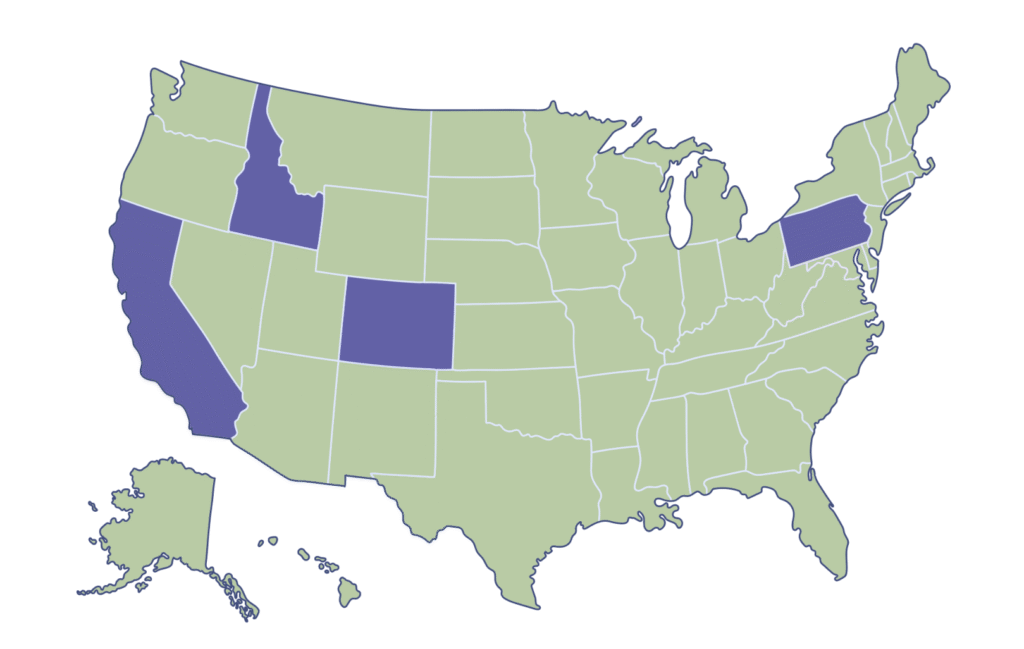
Allegheny County launched the Allegheny Family Screening Tool (AFST) in 2016, becoming the first public child protection agency in the United States to implement predictive risk modeling in hotline screening. The AFST uses historical child protection and cross-system data to support hotline screening decisions.
Independent evaluations found that the tool improved the identification of higher-risk cases, reduced unnecessary investigations of lower-risk families, increased consistency in screening decisions, and reduced racial disparities. Collectively, these findings suggest that predictive risk modeling can improve the accuracy and consistency of intake decisions while helping agencies allocate investigative resources where the potential risk to children is greatest. At a time when many states are facing persistent workforce shortages and high staff turnover, tools that help agencies prioritize attention, improve consistency, and focus limited resources on the highest-risk situations may be particularly valuable.
The Allegheny experience remains one of the most extensively studied predictive risk modeling implementations in child protection.
Northampton County, Pennsylvania
Northampton County implemented the Northampton Decision Aid Tool (NDAT) to support hotline screening and quality assurance decisions.
The model helps supervisors and caseworkers identify higher-risk referrals while maintaining person-led decisionmaking and emphasizing public transparency. Findings from a randomized controlled trial, presented at an ACF policy roundtable, suggest that the model helped staff prioritize interventions with the highest risk families, leading to reductions in re-referrals. These findings were presented and are not yet published.
Colorado Counties
Several Colorado counties—including Arapahoe, Douglas, and Larimer—implemented predictive risk models supporting hotline screening, in-home services, foster care oversight, and caseload assignments.
Evaluations found improvements in child safety outcomes, increased consistency and speed in decisionmaking, reduced racial disparities, and more effective resource allocation. Together, these results indicate that predictive risk modeling can strengthen agency performance by helping child protection leaders direct limited staff time and resources toward situations where the potential risk to children is greatest.
Los Angeles County, California
Los Angeles County launched a predictive risk modeling pilot in 2021, which has now been scaled countywide, focused on strengthening supervisory oversight of child maltreatment investigations. The model provided supervisors with earlier access to relevant case history and risk indicators.
Findings included increased supervisory consultation, improvements in child safety outcomes, and a reduction in subsequent reports of suspected abuse or neglect involving the same child or family. Together, these results suggest that predictive risk modeling can strengthen oversight and risk identification without increasing unnecessary system involvement.
Idaho
Following implementation of its CCWIS system, Idaho deployed a statewide predictive risk model supporting centralized intake and investigative supervision.
The model helps supervisors identify higher-risk referrals that may require immediate attention, improve workload management, direct lower-risk cases to alternative pathways when appropriate, and better align investigative resources with predicted safety risk. These capabilities allow agencies to prioritize limited staff capacity, strengthen supervisory oversight, and focus investigative efforts where the potential risk to children is greatest.
Idaho’s deployment reflects a broader shift toward integrating predictive analytics into statewide operational infrastructure rather than isolated pilots. As states face ongoing workforce shortages, increasing caseload complexity, and growing demands for accountability, predictive risk modeling is emerging as a tool to help agencies make more consistent, informed, and timely decisions across entire systems.
V. Evidence and Emerging Outcomes
While predictive analytics in child protection remains an evolving field, early evidence suggests meaningful potential benefits when models are implemented responsibly and paired with strong operational practices.
Emerging findings across jurisdictions include:
- Reduced repeat referrals
- Improved identification of high-risk cases
- Increased consistency in screening decisions
- Reduced unnecessary investigations of lower-risk families
- Improved supervisory oversight
- Better allocation of frontline resources
- Reduced disparities in some decisionmaking contexts
- Improvements in prevention service targeting
- Earlier identification of escalating risk patterns
The Center for Safe and Stable Futures’ Recognize framework highlights findings associated with predictive risk modeling implementations, including reductions in near fatalities and fatalities, re-referrals, injuries, future system involvement, and, in some jurisdictions, racial disparities. These outcomes suggest that predictive analytics can help agencies identify risk earlier, improve consistency, and better target limited resources to the children and families facing the greatest concerns.
At the same time, predictive analytics is not a silver bullet. Technology cannot compensate for inadequate staffing, poor training, weak supervision, insufficient prevention services, court delays, workforce instability, limited placement capacity, or inconsistent operational practices. Predictive analytics is most effective when implemented as part of a broader child protection modernization strategy that combines strong leadership, a well-supported workforce, effective oversight, and a sustained focus on child safety.
VI. The Concerns Are Real and So Is the Cost of Doing Nothing
The expansion of predictive analytics in child protection has generated significant debate. Some concerns are legitimate and deserve serious consideration.
Bias and Accuracy
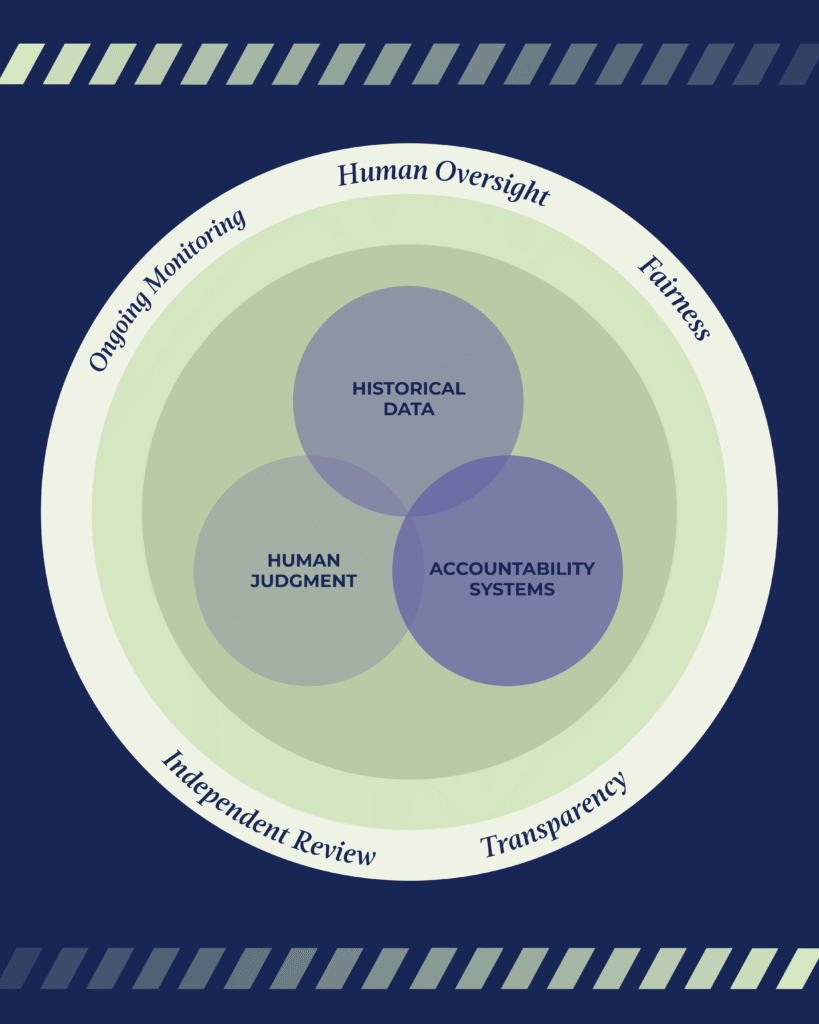
Concerns about potential bias and model performance for historically overrepresented populations should be central to the design and implementation of any predictive risk model. States should establish clear governance standards, regularly assess model performance across demographic groups, monitor outcomes, and maintain transparency regarding how predictive analytics is used in practice.
Predictive risk modeling is best understood as a decision support tool rather than a decisionmaker. When implemented thoughtfully, it can help agencies apply information more consistently, identify patterns that might otherwise be missed, and create a framework for ongoing evaluation and improvement. Effective policy should focus not only on model performance, but also on the safeguards, oversight, and accountability mechanisms that govern its use.
Transparency
Successful implementation of predictive analytics requires more than technology. Agencies should adopt clear governance structures, ensure public transparency, conduct independent validation and regular audits, monitor outcomes, and maintain strong accountability mechanisms. States should also prioritize explainable methodologies whenever possible so that policymakers, practitioners, and the public can understand how predictive tools support decisionmaking and evaluate whether they are achieving their intended objectives.
Human Judgment
Predictive analytics should support professional decisionmaking, not replace it. Frontline workers, supervisors, and courts must retain responsibility for assessing facts, exercising judgment, and making final decisions. The most effective implementations use predictive analytics as a structured decision support tool that helps surface relevant information, identify patterns of risk, and strengthen supervisory oversight. Predictive models can provide additional insight, but they should remain one input among many in a broader decisionmaking process guided by professional expertise, agency policy, and legal requirements.
VII. A Framework for Responsible Predictive Analytics
States pursuing predictive analytics should adopt a framework grounded in child safety, accountability, transparency, and operational realism.
1. Safety Must Remain the Primary Goal
The purpose of predictive analytics should be improving child safety and strengthening decisionmaking. The goal is not simply reducing removals or decreasing investigations. The objective is better identification of children at highest risk while improving the system’s ability to intervene appropriately.
2. Predictive Analytics Should Support Human Decisionmaking
Models should function as decision-support tools rather than directives. Frontline staff must remain responsible for final determinations.
3. States Should Retain Referral and Investigative Data for Internal Safety Purposes
Many states purge or limit access to historical referrals that may reveal important patterns of escalating concern. Retaining screened-out referrals and prior investigations for internal analytical purposes can strengthen pattern recognition and improve future decisionmaking.
4. Transparency and Independent Oversight Are Essential
Independent review processes
States should establish independent mechanisms to evaluate model performance, implementation, and outcomes. External review can help identify unintended consequences, strengthen public confidence, and ensure predictive tools remain aligned with policy goals.
Public reporting structures
Agencies should regularly report on how predictive analytics is being used and what outcomes it is producing. Transparency helps policymakers and the public assess whether the tool is improving decision-making and child safety.
Regular bias assessments
States should routinely evaluate models for disparate impacts across demographic groups and decision points. Ongoing assessment can help identify concerns early and support adjustments when needed.
Ongoing validation studies
Predictive models should be tested periodically to confirm that they continue to perform accurately as populations, reporting patterns, and agency practices change over time. Validation helps ensure the model remains reliable and relevant.
Clear governance frameworks
States should clearly define roles, responsibilities, decisionmaking authority, and oversight processes related to predictive analytics. Strong governance helps ensure accountability and provides a structure for addressing concerns, updates, and future improvements.
VIII. Why This Conversation Matters Right Now
Child protection systems are operating under extraordinary pressure. At a time where the public has high visibility when there are system failures, frontline workers are expected to make faster, more accurate, and more consistent safety decisions than ever before. That expectation is reasonable, but systems must equip them with the tools necessary to do it well. Workforce shortages, rising caseload complexity, substance exposure, behavioral health crises, domestic violence, and escalating service demands place extraordinary pressure on frontline systems. At the same time, technology capabilities have advanced significantly. The question is no longer whether predictive analytics can be deployed, but whether child protection systems will modernize responsibly enough to use them to better protect children.
Predictive analytics is already widely used in sectors where safety, risk, and resource allocation carry significant consequences. Health care providers use predictive models to identify patients at heightened risk of adverse outcomes, financial institutions use them to detect fraud and manage risk, public health agencies use them to anticipate emerging threats, and transportation systems use them to improve safety and prevent failures before they occur. Child protection faces many of the same challenges: large volumes of information, limited resources, and high-stakes decisions where early identification of risk can have life altering consequences.
Child protection, one of government’s most consequential responsibilities, continues in many places to rely on fragmented records, disconnected databases, and manual processes.
Most failures in child protection are not failures of caring, they are failures of recognition. The warning signs existed, but they were fragmented across systems, buried in disconnected records, lost inside overwhelming caseloads, or simply not visible quickly enough to change the outcome. Predictive analytics will not solve every challenge facing child protection, but it can help systems recognize danger more clearly and earlier. It will not replace the need for strong frontline staff, sound supervision, better courts, stronger prevention systems, placement capacity, or accountability. In child protection, timing matters, and recognizing escalating danger early versus recognizing it after catastrophic harm can change the trajectory of a child’s life. Earlier detection is just one of the benefits of predictive analytics.
The jurisdictions leading in predictive analytics are not replacing professional judgment. They are strengthening it by surfacing patterns that already exist within their systems for frontline workers. The future of child protection cannot be built on disconnected information, fragmented systems, and reactive decisionmaking. Modern child protection requires modern tools, not to remove humanity from the work, but to better support the people carrying the weight of it. Fundamentally, a system cannot protect what it cannot see.
Selected Research and Resources
Recognize: Predictive Risk Modeling At-a-Glance
Predictive Risk Modeling FAQ
Recognize Report PDF
Federal Resources
- Administration for Children and Families. Modernizing Child Welfare Technologies and Tools: Opportunities for Predictive Risk Modeling to Improve Child Safety and Outcomes (2026). https://acf.gov/acyf/policy-guidance/modernizing-child-welfare-technology-predictive-risk-modeling
- Administration for Children and Families. State Child Welfare Data Linkages Descriptive Study. https://acf.gov/opre/project/state-child-welfare-data-linkages-descriptive-study
Key Research and Evaluations (Previous Five Years)
- Allegheny County Department of Human Services. Evaluation Findings on the Use of Predictive Risk Models in Child Welfare (2024). https://analytics.alleghenycounty.us/2024/05/31/predictive-risk-models-in-child-welfare/
- Rittenhouse, K. et. al. “Algorithms, Humans and Racial Disparities in Child Protection Systems: Evidence from the Allegheny Family Screening Tool,” Accepted for publication: Journal of Policy Analysis and Management Trail, M. et al. Child Welfare Predictive Risk Models and Legal Decision Making (2024). https://www.sciencedirect.com/science/article/pii/S0145213424003338
- Zhu, N. et al. Assessing the Predictive Validity of Risk Assessment Tools in Child Welfare (2025). https://pmc.ncbi.nlm.nih.gov/articles/PMC12025363/
- Chor, K.H.B. et al. Development and Validation of a Predictive Risk Model for Child Welfare Placement Needs (2022). https://www.sciencedirect.com/science/article/abs/pii/S0190740922003255
- University of Minnesota Center for Advanced Studies in Child Welfare. A Brief Overview of Predictive Analytics in U.S. Foster Care (2025). https://cascw.umn.edu/cw360deg-spring-2025/brief-overview-predictive-analytics-us-foster-care
- Prindle, J. et al., Validating a Predictive Risk Model for Child Abuse and Neglect With Adolescent Outcomes. Journal of Adolescence (2026); https://doi.org/10.1002/jad.70195.
- McNellan CR. et al. The evidence base for risk assessment tools used in U.S. child protection investigations: A systematic scoping review. Child Abuse Negl. 2022 Dec;134:105887. doi: 10.1016/j.chiabu.2022.105887. Epub 2022 Sep 21. PMID: 36152529.
- Drake B et al.,. A Practical Framework for Considering the Use of Predictive Risk Modeling in Child Welfare. Ann Am Acad Pol Soc Sci. 2020 Nov;692(1):162-181. doi: 10.1177/0002716220978200. Epub 2021 Jan 29. PMID: 36969716; PMCID: PMC10038317.
Commentary and Policy Analysis
- FREOPP. Flying Blind on Child Welfare Data (2026). https://freopp.org/oppblog/flying-blind-on-child-welfare-data/
- The Imprint. Predictive Risk Modeling in Child Welfare—the Time Is Now (2026). https://imprintnews.org/opinion/predictive-risk-modeling-in-child-welfare-the-time-is-now/274032
- StateScoop. Why Don’t More Child Welfare Agencies Use Predictive Risk Modeling? (2025).https://statescoop.com/child-welfare-agencies-predictive-risk-modeling/
- LA Times. Anthony, Noah, Gabriel and beyond: How to fix L.A. County DCFS. https://www.latimes.com/california/story/2022-01-20/child-protective-services-sidebar