


Keystone State leaders often bemoan “brain drain,” the loss of skilled, working-age residents through domestic migration to other states. One way Pennsylvania can prevent out-migration and attract young families is by undoing onerous housing regulations, including some that cities and towns embraced 80 years ago to ban starter homes and keep babies out.
Over the past decade, Pennsylvania’s population grew by only 1.24 percent, ranking 41st among U.S. states. That population growth was almost entirely due to immigration, according to data compiled by USA Facts. Between 2023 and 2024, the commonwealth’s population growth was mostly limited to southeastern counties and the I-95 corridor.
In the 2010s, the demographic silver lining was that births outnumbered deaths in Pennsylvania. But starting in 2020, this natural population change went negative, yielding “baby deficits” — deaths outnumbering births — of more than 12,000 in 2023, almost 10,000 in 2024, and nearly 11,000 in 2025.
Under current trends, Pennsylvania’s population will begin to shrink by 2030. If, like Pittsburgh’s own George Benson, you believe that children are our future, Pennsylvania’s future is dimming.
Obscenely high housing costs are a significant factor in the baby bust. Marriage is, intuitively, a primary driver of family stability and people having children. And as Michael Tanner, a senior fellow at the Foundation for Research on Equal Opportunity, has reported, unaffordable housing can be a barrier to marriage. Between January 2020 and 2026, Pennsylvania’s median home listing price spiked by more than one-third, from $219,000 to $299,000.
Housing is the biggest share of most people’s cost of living, and no issue is more top-of-mind right now. In fact, a 2025 poll, commissioned by the Commonwealth Foundation, found that the cost of living dominated the list of Pennsylvania voter concerns.
The survey also found that about two out of five voting Pennsylvanians had contemplated moving to another state or knew someone who had either relocated or considered relocating. Among those voters, 55 percent said a lower cost of living was a primary reason for wanting to relocate.
Several other organizations have highlighted Pennsylvania’s outmigration. In the 2025 U-Haul Growth Index, Pennsylvania ranks 44th for the net increase of one-way customers.
United Van Lines’ 2025 National Movers Study found that a higher share of customers in Pennsylvania were outbound — leaving the commonwealth — than in 33 other states.
Vote with Your Feet, which relies on IRS data, shows that from 2012 to 2023, Pennsylvania lost more than 200,000 residents to other states, taking more than $19.4 billion worth of personal income with them.
Pennsylvania’s housing shortage is part of a national math problem. The U.S. population grew by more than 50 percent between 1980 and 2025. But except for the Aughts, the country built fewer total homes in every decade from the 1970s to the 2010s.
The primary cause of this underproduction of homes has been zoning, which restricts what property owners can build. Zoning particularly burdens young families—by design.
A Mercatus Center report found that cities and towns embraced minimum lot size regulations after World War II, in part to ban starter homes and insulate public school systems from the baby boom. Local officials essentially declared war on young families.
Starter home bans remain in local zoning codes. Fortunately, lawmakers of both parties in Harrisburg are finding common ground on high housing costs. Recently, the Pennsylvania Senate passed a legislative package designed to streamline the process of building homes, while state House lawmakers passed legislation that would allow property owners to build a mother-in-law suite, also called an accessory dwelling unit, to meet their family’s needs.
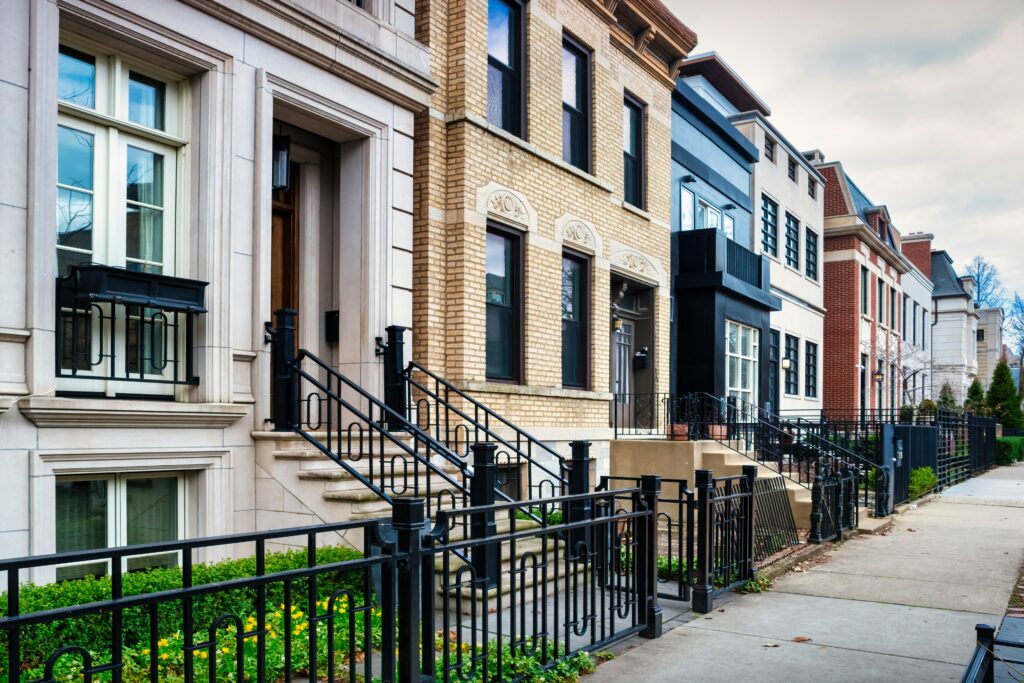
Lawmakers can unlock other traditional home types to make housing more abundant and affordable for Pennsylvanians: Starter homes on small lots, small multiplexes that split the high cost of land, and rowhouses can give young, working families financially viable housing options.
Plenty of young people want to stay in Pennsylvania. They want to work hard, remain close to loved ones, and start their own families. Pennsylvania should remove regulatory barriers to affordability and allow more housing choices.
This op-ed was co-authored with Elizabeth Stelle, vice president of policy at the Commonwealth Foundation, and was originally published in PennLive.